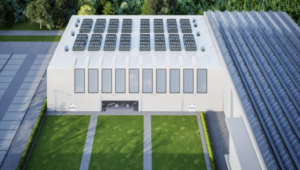
Being a good neighbor involves more than complying with zoning rules or making a donation after construction begins.
For a data center, it means understanding that a project becomes part of a real community. Its electricity use, water demand, construction activity, physical appearance, tax contribution and operating practices can affect the people and institutions around it.
A better-neighbor approach begins early and continues throughout the life of the facility.
Start listening before decisions feel final
Community engagement is most useful when residents still have a meaningful opportunity to influence a project.
If a company first appears at a public meeting with a nearly completed plan, people may reasonably feel that the important decisions have already been made.
Early engagement can help identify concerns involving:
- The location of buildings and utility equipment
- Construction routes and schedules
- Water use
- Noise
- Landscape buffers
- Environmental resources
- Emergency services
- Workforce opportunities
- School and community investments
- Long-term communication
Not every request can be accommodated. However, companies should explain what can change, what cannot change and why.
DOE guidance for community benefits planning recommends identifying stakeholders, explaining engagement methods, creating ongoing communication mechanisms and showing how feedback will be incorporated.
Make technical information understandable
Terms such as megawatts, substations, evaporative cooling and power usage effectiveness may be familiar within the industry but confusing to the general public.
Companies can communicate more clearly by providing:
- Plain-language project summaries
- Maps showing buildings, setbacks and utility infrastructure
- Visual comparisons that explain scale
- Expected construction phases
- Average and peak electricity demand
- Average and peak water demand
- Noise projections at nearby properties
- Descriptions of backup power and generator testing
- Contact information for questions and complaints
Information should be made available before key public decisions, not only after approval.
Be transparent about resource use
Communities are more likely to trust information when companies clearly explain how estimates were developed and acknowledge uncertainty.
For electricity, that may mean disclosing expected demand at each development phase and explaining what utility upgrades are required.
For water, companies should identify the source, cooling method, seasonal demand and conservation plans.
For noise, they should explain anticipated levels during ordinary operations, generator testing and emergencies.
Transparency does not require publishing security-sensitive information. It does require providing enough verified information for residents and officials to evaluate local impacts.
Design around the surrounding community
A data center is an industrial or infrastructure facility, but design choices can reduce its effect on neighboring properties.
Depending on the site, better-neighbor design may include:
- Greater setbacks from homes
- Preserving trees and natural buffers
- Locating generators and cooling equipment away from residences
- Sound barriers or acoustic enclosures
- Downward-facing lighting
- Thoughtful building materials and landscaping
- Protected stream and wetland areas
- Truck routes that avoid neighborhoods and schools
- Reclaimed-water or closed-loop cooling systems
- Phased construction plans that limit disruption
These choices are often easier and less costly to address during site planning than after residents begin reporting problems.
Plan for electricity demand responsibly
Data center electricity use is increasing rapidly. DOE found that U.S. data centers consumed approximately 176 terawatt-hours in 2023 and could consume between 325 and 580 terawatt-hours in 2028.
A community-minded approach should address not only whether power can be delivered, but also how the project may affect the broader energy system.
Companies, utilities and regulators can consider:
- Energy-efficiency measures
- Phased connections tied to available capacity
- On-site generation or storage where appropriate
- Clean-energy procurement
- Flexibility during periods of grid stress
- Clear cost-allocation rules
- Long-term transmission and generation planning
- Protection for existing customers
DOE’s best-practices guidance for data center design emphasizes reducing the energy consumed by cooling, power conversion and other supporting systems so that a greater share of electricity is used by the computing equipment itself.
Treat water as a local issue
Water availability is not the same everywhere.
A cooling strategy that is practical in one region may be inappropriate in a drought-prone area or a community with limited water infrastructure.
Better-neighbor practices may include:
- Evaluating lower-water cooling options
- Using reclaimed or nonpotable water
- Recirculating cooling water
- Monitoring and publicly reporting consumption
- Setting reduction goals
- Coordinating with long-term municipal water plans
- Preparing for drought restrictions
- Avoiding competition with essential community needs
The partnership between Microsoft and Quincy, Washington, demonstrates how municipal water reuse can reduce demand on potable groundwater, although that model may not be suitable for every community.
Connect local investment to real priorities
Community benefits are most meaningful when residents help define them.
One town may prioritize road improvements. Another may need technical education, emergency equipment, water infrastructure, parks or support for local businesses.
Potential initiatives include:
- Apprenticeships and skilled-trade training
- Partnerships with high schools, colleges and technical programs
- Scholarships linked to local workforce needs
- Digital-literacy programs
- Support for emergency responders
- Road or intersection improvements
- Grants for environmental restoration
- Opportunities for local vendors
- Broadband or connectivity initiatives
- Long-term funding for community priorities
Companies should avoid assuming that a highly visible sponsorship is automatically the most useful contribution.
Be precise about jobs and economic benefits
Community-minded communication should distinguish temporary construction activity from permanent employment.
Companies should provide realistic estimates for:
- Construction jobs
- Permanent operating jobs
- Contractor positions
- Salary ranges
- Required qualifications
- Local hiring potential
- Training opportunities
- Tax revenue after exemptions and depreciation
Overstating economic benefits may generate initial enthusiasm, but it can damage trust later if expectations are not met.
Create a clear system for concerns
Residents should know whom to contact during construction and operations.
A useful system includes:
- A named community representative
- A public phone number and email address
- A process for logging concerns
- A response-time commitment
- Procedures for escalating unresolved issues
- Public reporting on recurring complaints
- Follow-up after corrective action
Companies should also communicate before activities that may concern neighbors, such as overnight construction, generator testing, road closures or major equipment deliveries.
Measure and report performance
Commitments are more credible when progress is documented.
A company might publish a regular community report covering:
- Electricity and water efficiency
- Local tax contributions
- Local hiring
- Workforce programs
- Community investments
- Environmental performance
- Noise complaints and responses
- Construction milestones
- Progress against written commitments
Reporting should use consistent measurements so the community can see changes over time.
Think beyond the opening ceremony
A data center may operate for decades. Community relationships therefore cannot be treated as a one-time permitting exercise.
Leadership may change. The facility may expand. Technology and cooling systems may be replaced. The property may be sold.
Written agreements, clear reporting practices and ongoing communication help preserve commitments through those changes.
The standard for being a better neighbor is not perfection. It is a willingness to listen, provide facts, reduce avoidable impacts, respond when problems occur and share meaningful value with the community over the long term.
A data center becomes community-minded when local considerations are part of how the project is planned and operated—not simply how it is promoted.